
Sign up to receive bi-monthly news and updates from CPSL Mind. You can unsubscribe at any time.
April 3, 2026
6 ways to connect with nature this Spring
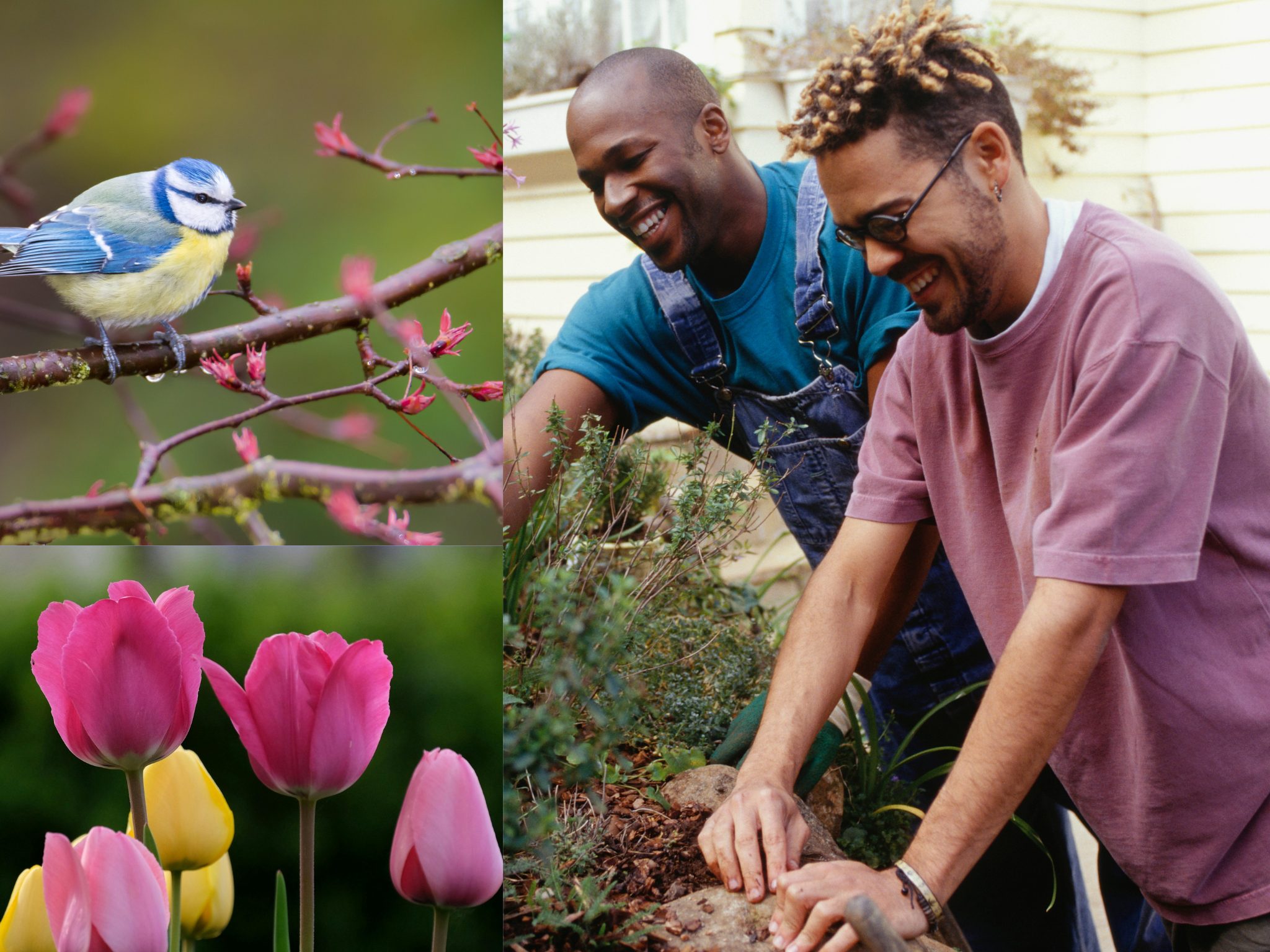
We have really been enjoying the lighter evenings recently! Spring is a glorious time in nature and after months of grey skies and chilly days, the sights and sounds do wonders for our senses. Whether you’re waiting for more trees to bloom, or you notice the colours or smells of spring, it’s certainly an exciting time to get out and explore in Cambridgeshire, Peterborough and South Lincolnshire. We’ve put together 6 ways to connect with nature in Spring and we would love to know where you have been exploring and about your experiences!
How nature can benefit mental health
According to Mind, Spending time in green space or bringing nature into your everyday life can benefit both your mental and physical wellbeing. For example, doing things like growing food or flowers, exercising outdoors or being around animals can have lots of positive effects. Also, one of the five ways to wellbeing is to ‘Take Notice’ – ‘Taking notice’ of the world around you, in the here and now, can directly enhance your wellbeing. Many of us spend so much time thinking about things in the past or worries about the future that we don’t enjoy the moment and the environment around us. Try taking some time every day to savour the moment and the environment around you.
Spending time in nature can help to:
- improve your mood
- reduce feelings of stress or anger
- help you take time out and feel more relaxed
- improve your physical health
- improve your confidence and self-esteem
- help you be more active
- help you meet and get to know new people
- connect you to your local community
- reduce loneliness
- help you feel more connected to nature
- provide peer support.
Earth and Mind is a green wellbeing service for individuals with poor mental health based in Cambridge. The charity’s workshops and activities are designed to promote mental health and wellbeing through green activities, such as gardening, wildcraft and art, wildlife maintenance and conservation, carpentry, and foraging. The charity aims to provide a safe and supportive space for individuals to engage in these activities and improve their mental health. Nature connection focuses on a person’s relationship with the natural world. Research has highlighted these 5 pathways to improve our nature connection…
- Contact – explore, connect and engage in the world around you
- Beauty – appreciate the beauty in the nature you can see/hear, and feel around you
- Meaning – Consider what meaning nature can offer you and your role as a part of nature, to what extent do you see yourself as a part of nature
- Emotion – pay attention to and reflect on the emotions that nature evokes in you
- Compassion – think about what you can give back to nature, care for and nuture nature around you
What are the benefits of nature connection?
At Earth and Mind, the charity has been working to promote improved mental health and wellbeing through activities in our natural environment, such as foraging and gardening, while providing a safe space with a community bond.
In a survey of community members who attended the charity’s gardening sessions, 100% reported an improvement in their mental wellbeing as a direct result of participating in these activities. 66% also reported positive changes to their general health since joining the sessions. Many group members mentioned other benefits such as increased confidence, relaxation and energy levels. Research has shown that gardening improves mental wellbeing, and some of our group members have said that gardening has allowed them to switch off from worries and negative thinking. One group member commented that “It felt amazing to work with the earth and be outdoors—it gave me energy and a real sense of wellbeing.”
Ways to connect with nature
-
Spot Spring’s vital signs
Spring is a glorious time in nature. The sights, sounds and smells bring us hope and cheer as new life starts to emerge on these brighter, longer days. Find out when spring really starts, the key signs to look for and how your sightings could help a long-running science project. Visit The Woodland Trust website for more information.
-
Grow or pick food
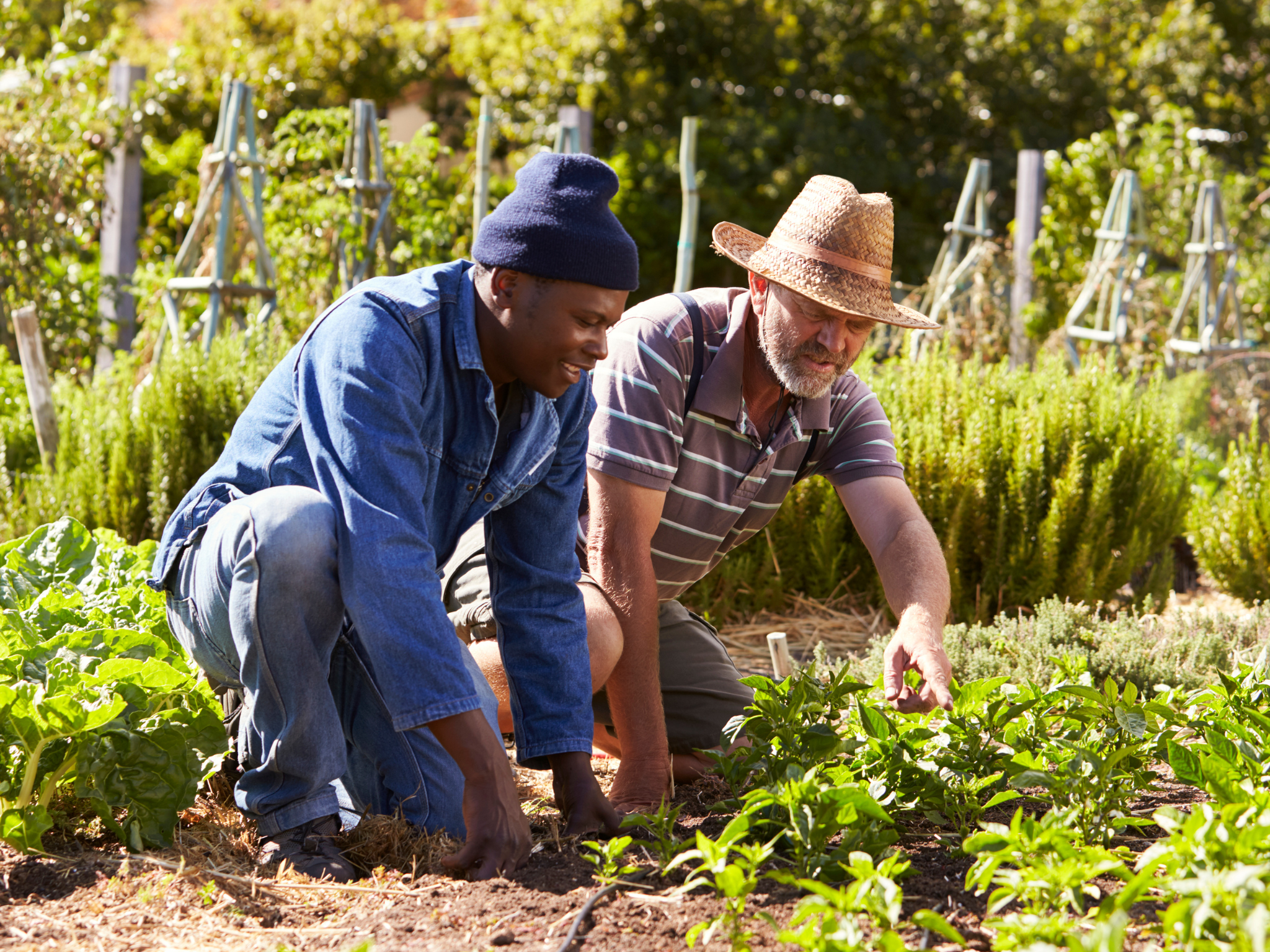
You can have a look at creating a growing space. If you don’t have access to a garden, you could plant salad leaves or herbs in a window box or plant pot.
Or if you are able, you can plant vegetables in your garden. The Thrive website has information to help you get started. As way to connect with others, you could explore the options in your area to grow food with others, apply to share an allotment or look for community gardens or food growing projects in your local area. See the National Allotment Society, Social Farms & Gardens or your local council’s website for more information.
-
Bring nature indoors
You don’t have to be outside to connect with nature. There are lots of ways to connect with nature indoors. You could buy flowers or potted plants for your home, collect natural materials. For example, leaves, flowers, feathers, tree bark or seeds. Use them to decorate your living space or in art projects, grow plants or flowers on windowsills. See the Royal Horticultural Society website for tips on planting seeds indoors.
Listen to natural sounds. You could use recordings or apps that play birdsong, ocean waves or rainfall or you could watch videos of nature. You could try virtual walks or livestreams of wildlife.
-
Explore new walking routes in Cambridgeshire and South Lincolnshire
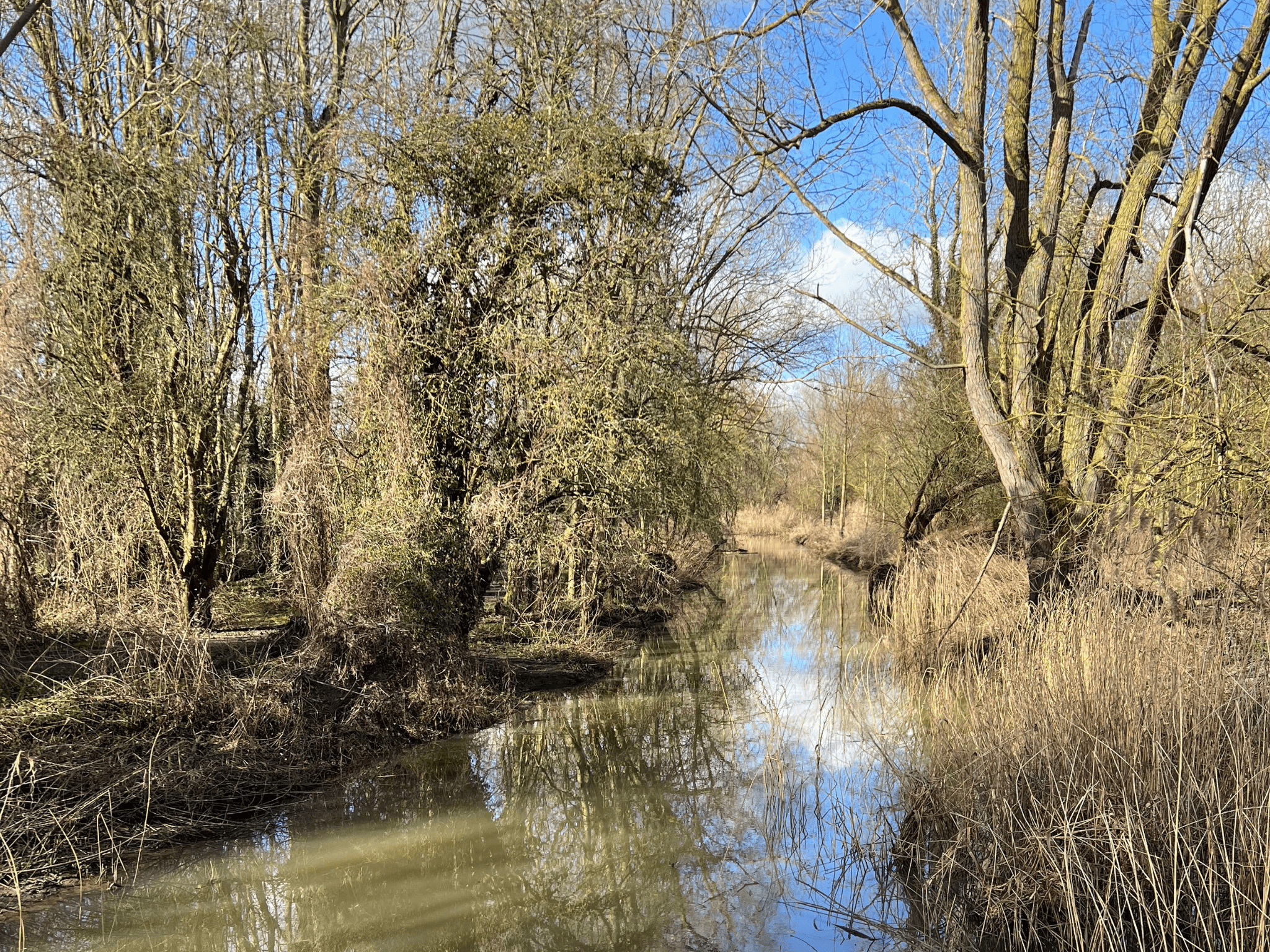
Varied landscapes, tangled branches, breathtaking wildlife and miles of woodland trails, country parks and river walks. From the countryside to small towns, there are lots of walks to try.
Discover hand-curated trail maps, along with reviews and photos from nature lovers like you. No matter what you’re looking for, you can find a diverse range of the best walking trails in Cambridgeshire to suit your needs. Explore one of 84 family-friendly walks for a sunny weekend. Plan your next outdoor adventure to one of 172 routes with waterfalls or scenic views. Visit the All trails website for routes to get started.
There are lots of things to discover on a walk in Cambridgeshire, including Anglesey Abbey’s iconic tree avenues, Wicken Fen’s winding reedbed routes, and paths through the two-acre Victorian garden at Peckover House. The National Trust lists accessible walking routes and varying distances.
If it’s a woodland walk you’re after, then the Woodland trust has a searchable feature on its website for you search your local woodland and The Forestry Commission also lists a number of routes to choose from. What might you see? here’s what to keep an eye out for: Where to see spring wildlife | The Wildlife Trusts
There are more than 200 walks to choose from across Lincolnshire, exploring the coast, fens, Wolds, woodland, rivers and waterways. There is also the long-distance Viking Way that crosses the county. You can find the details of these walks at Visit Lincolnshire.
-
Try a nature activity and visit the Wild Wellbeing Cafe by Earth and Mind!
Did you know? Earth and Mind run a weekly Good Mood Cafe in partnership with CPSL Mind at Milton Country Park.
Emma Lacy, Director of Earth and Mind said, “We’re thrilled to join forces with CPSL Mind to launch our Wild Wellbeing Café as part of the Good Mood Café network. It’s an exciting step for a major mental health charity to champion nature-based wellbeing in a community setting. We’re showing just how valuable our connection to the natural world can be. Together, we’re opening up a space where everyone can feel included, supported, and uplifted by nature.”
Click the image below for the session details
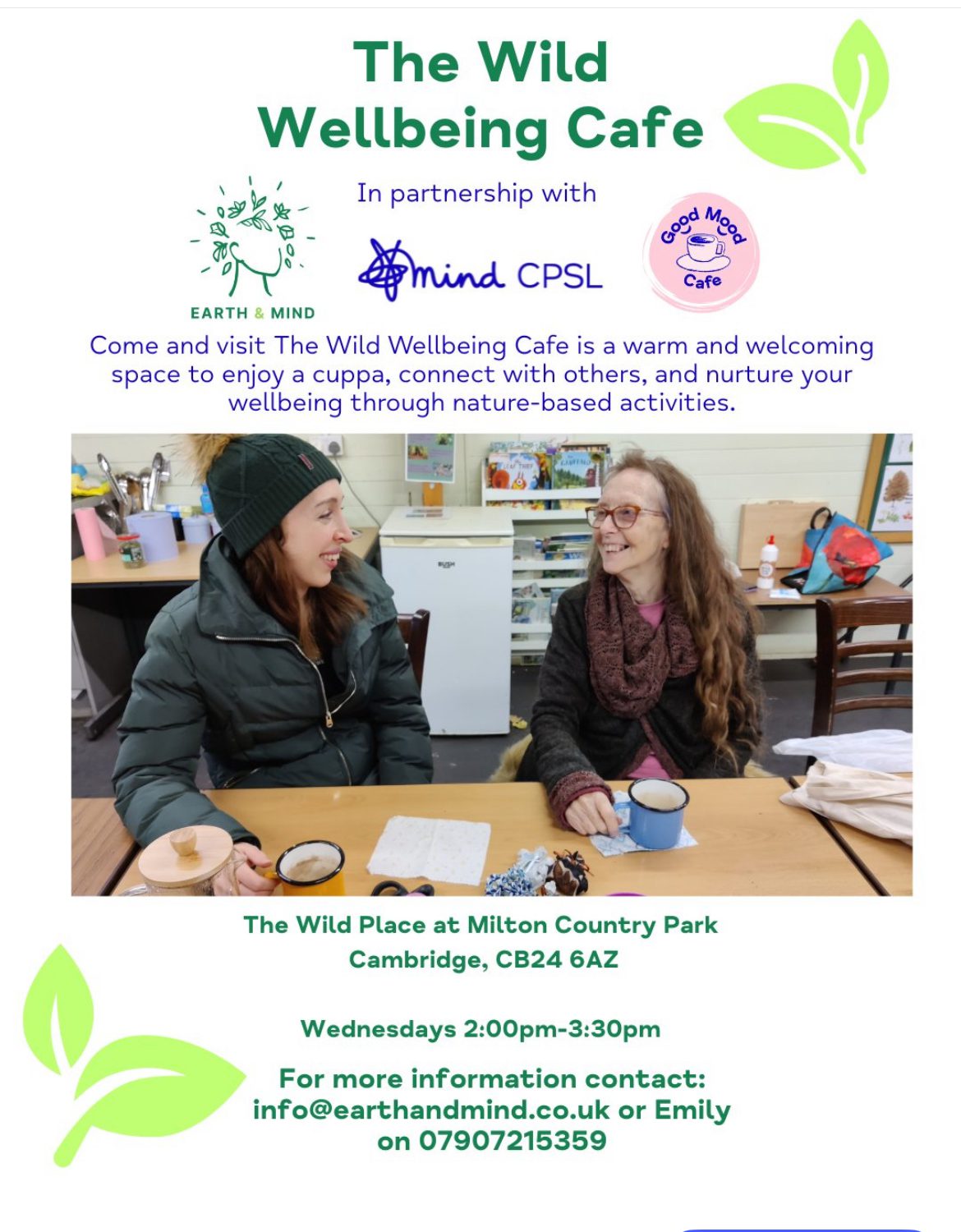
For more information about the Wild Wellbeing Cafe – visit our Good Mood Cafes page.
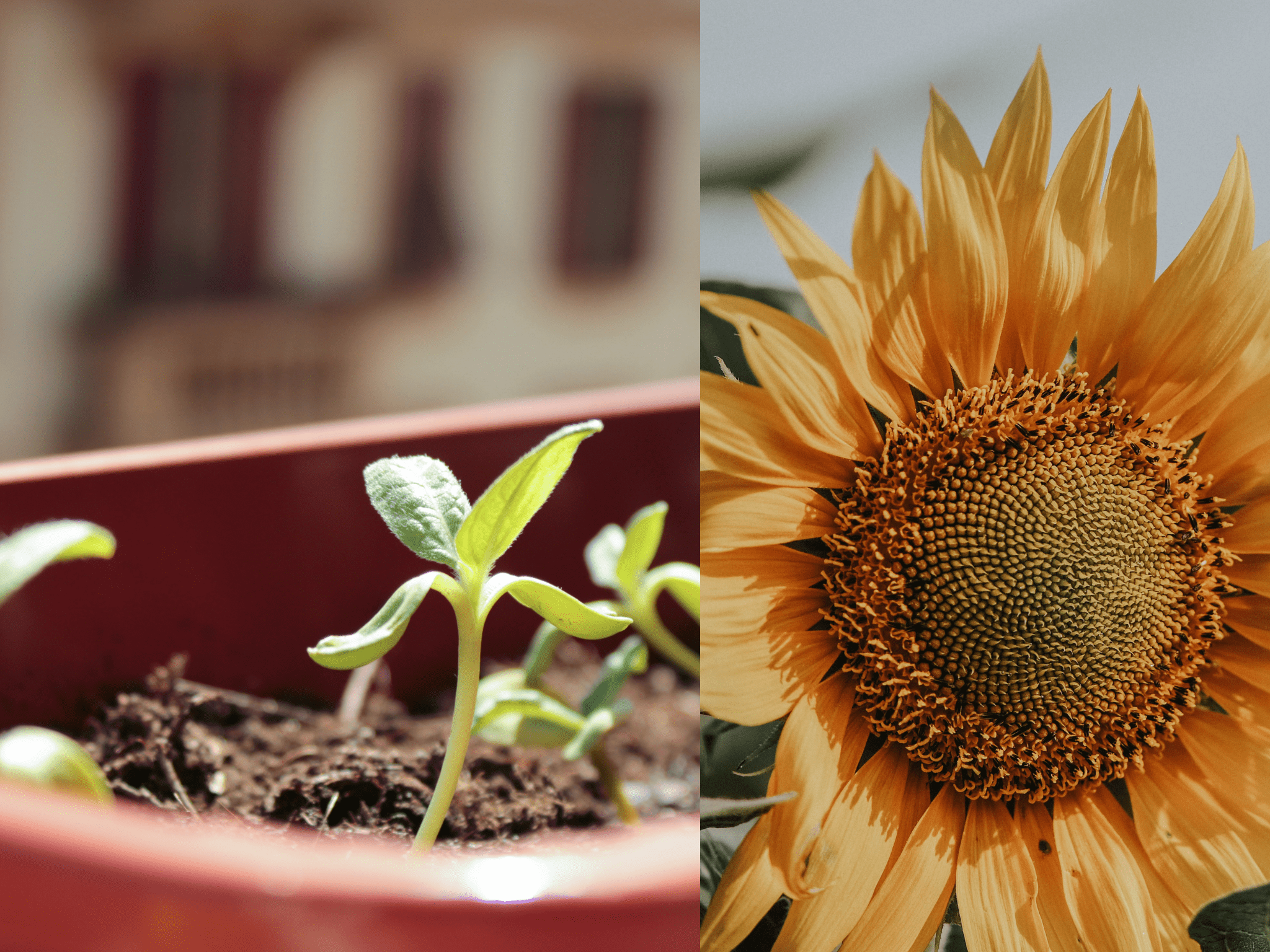
According to the RSPB, planting Sunflowers is a fun activity for the whole family, and one of the easiest ways to provide food for birds in your garden. Feeding birds is a great way to help them through difficult times of year.
Sunflowers are great plants to have in a wildlife-friendly garden. Bees, and sometimes butterflies, love the nectar and feed on the flowers when they’re in full bloom. Then Greenfinches and Goldfinches will munch on the seedheads.
If you don’t have a garden, don’t worry. Sunflowers can be grown in pots if you have a nice bright and sunny balcony or indoor space to put them. Kids will love the challenge of seeing who can grow the tallest Sunflower!
Visit the RSPB website to find out more! How to Grow Sunflowers from Seeds in Pots and In the Garden
Heard a sweet serenade but you’re not sure which species was singing it? Use the tips in the RSPB’s Birdsong Identifier to help you to recognise some of nature’s greatest songsters. You can find out more here: Bird Song Identifier: Learn to Identify Birds by Their Song
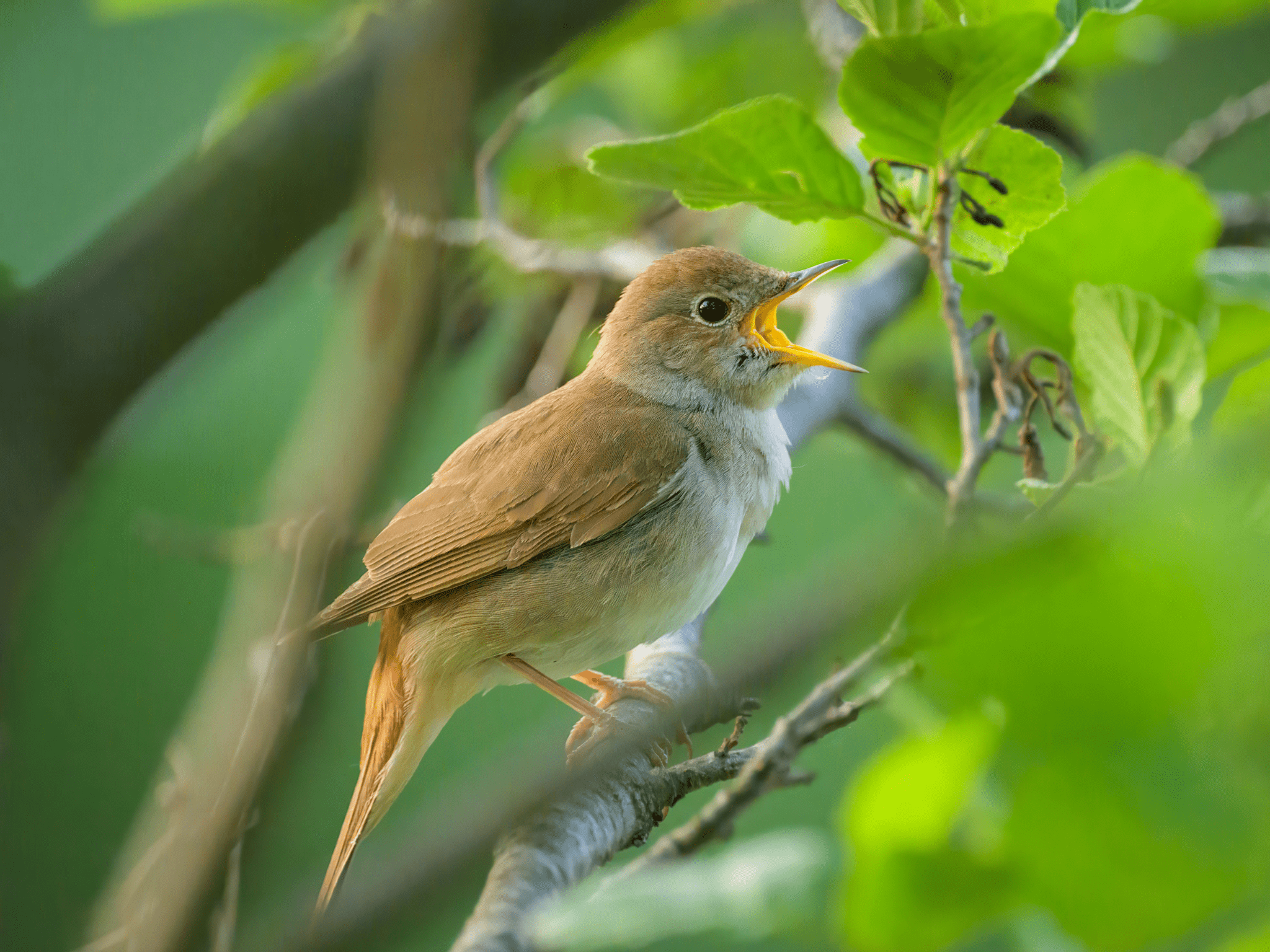
Get creative! You could try drawing or painting animals or nature scenes or let them inspire a poem or song lyrics. If you enjoy writing in a journal, try doing this outside.
-
Volunteer and give back to your community
Participation in social and community life – by volunteering for example – is strongly linked with improved wellbeing. Research has shown that carrying out an act of kindness once a week over a six-week period is associated with an increase in wellbeing.
You could:
- Take on a fundraising challenge
- Perform an act of kindness
- Volunteer
Whether you can spare a few hours or a full day, volunteering is a chance to make a real difference to local wildlife whilst learning new skills, making new friends and increasing your knowledge of wildlife conservation or education. Visit the How Are You Website to find opportunities local to you: How Are You Cambridgeshire and Peterborough | H.A.Y. Home or Connect to Support Lincolnshire to find out more: Volunteering | Lincolnshire
We would love to see your Spring wildlife images when you’re out and about! You can email us at campaigns@cpslmind.org.uk or send them to us via direct message on social media.
Happy exploring!
Other Posts
 May 15, 2024
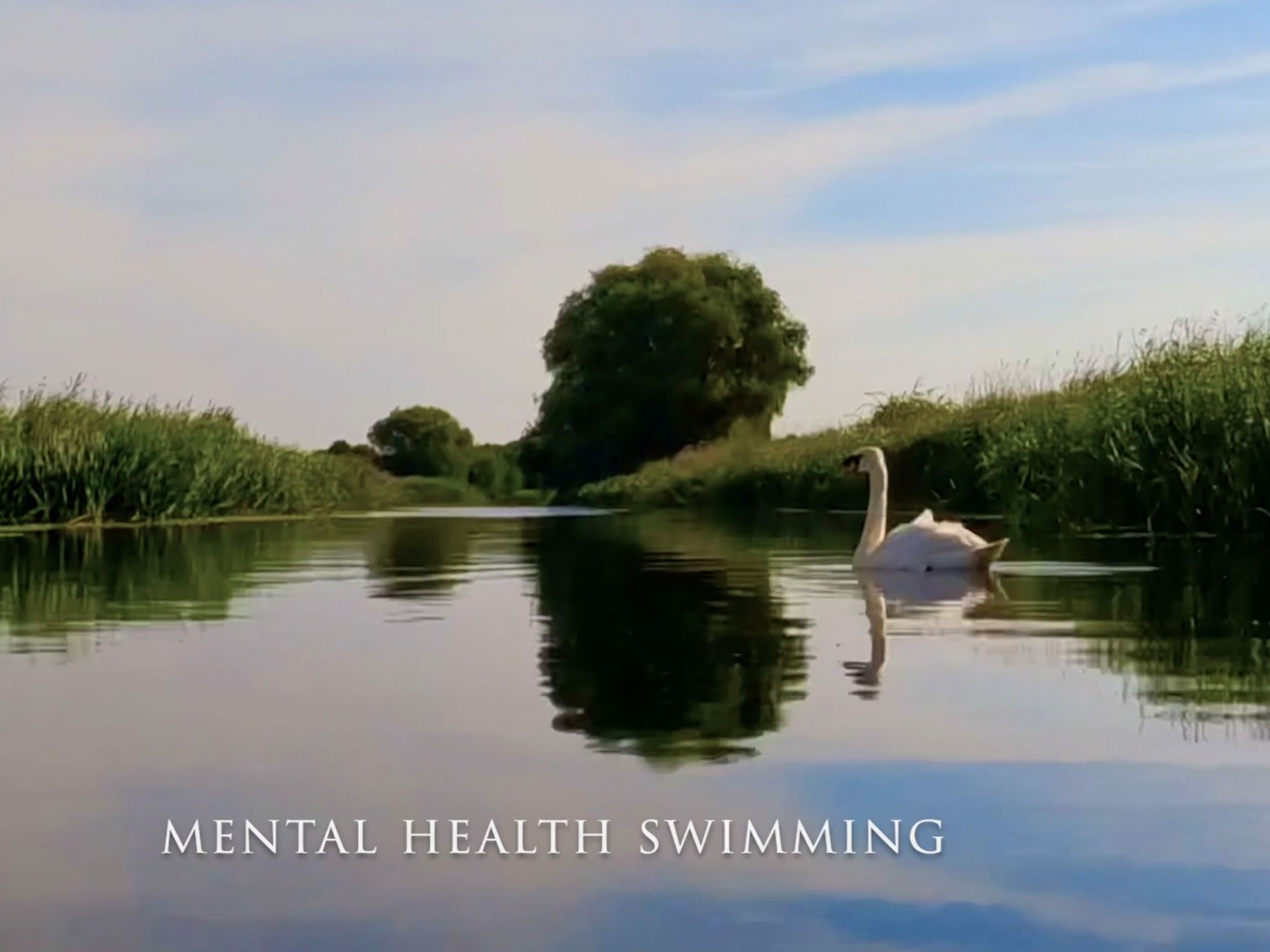
The theme for this year’s Mental Health Awareness Week is Movement: Moving more for our mental health! In recognition of this year’s theme, we caught up with swimmer Jonathon Hardy from the Cambridge Swimming Company to hear how wild swimming can boost your mood and we signpost to resources to support you.

April 1, 2026
Are you feeling stressed? We have pulled together a guide to help you understand what stress is, how to identify if it is a problem, and the 17 things you can do if you’re feeling stressed.
Sign up to
our newsletter
Newsletter